How Can Relationships Heal Us?

Partnership ain’t easy. That’s largely because it brings up unhealed wounds from our families and childhoods.
It’s a tough challenge — and an opportunity for healing like no other.
Lately, in my work with couples, I’ve been developing a framework and set of skills to help them turn their relationship conflicts into profound opportunities for growth.
Nobody ever taught me about that, which led to confusion and needless suffering.
So today, I’m excited to share with you some guidance I've developed for the biggest and least understood question I encounter in working with romantic relationships: how can you safely do trauma healing within a partnership?
There’s a lot here, so I suggest bookmarking this page and using it as a resource.
*the stories and names used in the case studies are representative examples only and not literal examples from clients or connections
When two people commit to a loving relationship, they create something far more powerful than most realize: a secure base that can become one of the most profound healing spaces available to human beings. This new family structure naturally evokes the deepest parts of ourselves—including our unresolved childhood traumas. Far from being a problem, this emergence of our “shadow material” represents something extraordinary: our nervous system’s recognition that we’re finally safe enough to heal.
The Safety Paradox
Why Love Triggers Our Deepest Wounds
Here lies one of the most misunderstood aspects of intimate relationships: the very safety and security that drew us to our partner becomes the catalyst for our most challenging emotional material to surface. When someone feels truly loved and supported—when their nervous system registers “this person won’t abandon me”—something remarkable happens in the brain.
The primitive survival systems that have been hypervigilant since childhood finally begin to relax. As they do, all the emotions, memories, and needs that were suppressed for survival can finally emerge. This is why trauma material often surfaces not during times of relationship stress, but during times of greatest safety and intimacy.
Our psyche essentially “trusts” our intimate partner with our deepest wounds in a way it never trusts friends, colleagues, or even therapists. This creates what we might call the “healing paradox”—the very person we love most becomes the person who triggers us most intensely, not because they’re harmful, but because they’re safe enough to hold our pain.
From a neurobiological perspective, intimate relationships activate our earliest attachment circuitry. The same neural pathways that formed our primary relationships with caregivers become active again, creating an opportunity for what neuroscientists call “corrective emotional experiences.” Our brain literally expects to replay family-of-origin dynamics because intimate partnership activates the same attachment systems.
This is why trauma emergence in relationships isn’t pathological—it’s an evolutionary feature. Our nervous system is designed to seek healing in the context of intimate connection because that’s where our original wounds occurred—within the family system that provided our earliest template for love. Whether that family system was actually secure or not, it was the only model we had for how love works, how relationships function, and what we could expect from intimate connection. Our adult relationships naturally activate this familiar template, bringing up both the wounds and the unconscious patterns we developed to survive within our particular family’s version of love.
The Relationship Trauma Timeline
What to Expect
Understanding when trauma material typically emerges can help couples normalize and prepare for this process. It’s important to note that this timeline is not one-size-fits-all—it depends on many factors, including previous therapeutic work, age when entering the relationship, mental health considerations, trauma severity, and individual resilience. Some couples may experience these phases more quickly or slowly, and some may cycle through them multiple times.
Phase 1: The Honeymoon (3-18 months)
During early attachment formation, our nervous system is focused on bonding and connection. Trauma material often remains dormant as we’re flooded with attachment hormones (oxytocin, dopamine) that create a sense of safety and euphoria. Those with extensive previous therapy work might experience shorter honeymoon periods as they’re more aware of their patterns.
Phase 2: The Emergence (18 months - 3 years)
As the initial bonding chemicals stabilize and real intimacy deepens, our nervous system begins to relax its hypervigilance. This is when childhood patterns start surfacing—projection, abandonment fears, control issues, and other family-of-origin dynamics. Individuals who entered the relationship later in life or with significant self-awareness might navigate this phase more consciously.
Phase 3: The Destabilization (2-4 years)
This is often the most challenging phase, where trauma patterns are most active and intense. Many relationships end here because couples don’t understand what’s happening. The very depth of safety created allows our deepest wounds to emerge. Those with untreated mental health conditions or severe trauma histories may experience more intense destabilization.
Phase 4: Integration (4-7 years)
If couples can navigate the destabilization phase consciously, they enter a period where trauma patterns become familiar territory. Partners develop skills for recognizing and working with triggers together. Previous therapeutic work and commitment to growth significantly accelerate this phase.
Phase 5: Transcendence (7+ years)
The relationship becomes a container for ongoing growth where trauma patterns, while still present, no longer control the dynamic. Couples develop what we call “relational trauma alchemy”—the ability to transform triggers into opportunities for deeper intimacy and wisdom.
Common Projection Patterns
The Unconscious Family System Recreation

Projection patterns are universal—every couple experiences them because we are all, inevitably, replaying childhood dynamics with our parents and family systems in our intimate relationships. These patterns often follow predictable family-of-origin templates, regardless of whether those original family systems were actually healthy or secure. Our adult relationships activate the familiar patterns of connection we learned in childhood—the only template we had for how love works, how relationships function, and what to expect from intimate connection.
The Critical Parent Pattern
Sarah, whose father was highly critical and dismissive throughout her childhood, unconsciously expects criticism from male partners. When her loving partner offers gentle suggestions—“Maybe we could try a different route to avoid traffic”—Sarah’s nervous system interprets this as criticism. She responds defensively or with hurt, her brain literally unable to distinguish between past danger and present support.
The Controlling Parent Pattern
Michael, whose mother was intrusive and controlling, scanning his every move and managing his decisions, carries hypervigilance around autonomy. When his wife offers support—“I noticed you seem stressed about that work project. Would it help to talk through your approach?”—Michael’s nervous system registers invasion and control. He becomes rebellious, resentful, or withdrawn, pulling away from the very person trying to support him.
The Abandoning Parent Pattern
Someone whose parent was emotionally unavailable might interpret their partner’s need for alone time as abandonment, triggering desperate attempts to maintain connection that actually push the partner away.
The Self-Sacrificing “Good Child” Pattern
Emma learned early that love was conditional on being “good”—never expressing needs, always putting others first, essentially murdering her authentic self to retain her parents’ approval. In her adult relationship, she unconsciously recreates this pattern, martyring herself and abandoning her own needs even though her partner never asked her to. She takes on all the household responsibilities, never expresses preferences about weekend plans, and consistently prioritizes her partner’s comfort over her own. While her partner initially appreciates her selflessness, they eventually begin to expect this level of sacrifice, creating the exact dynamic Emma feared—being trapped and resentful, just as she felt in her family of origin. The tragic irony is that her partner would have been happy to share responsibilities and consider her needs, but Emma’s unconscious self-abandonment taught them that her needs didn’t matter.
The Parentified Child Pattern
Adults who were forced to be caregivers as children may unconsciously recreate this dynamic, becoming the “responsible one” in the relationship while expecting their partner to be dependent, only to resent the imbalance they have created.
These patterns can spiral and compound, sometimes becoming quite complex. But the crucial point is this: they’re not pathological. They’re human. They’re the inevitable result of our nervous system’s attempt to make sense of intimate relationships through the template of our earliest experiences.
The Neurobiological Reality
Why We Can’t Think Our Way Out
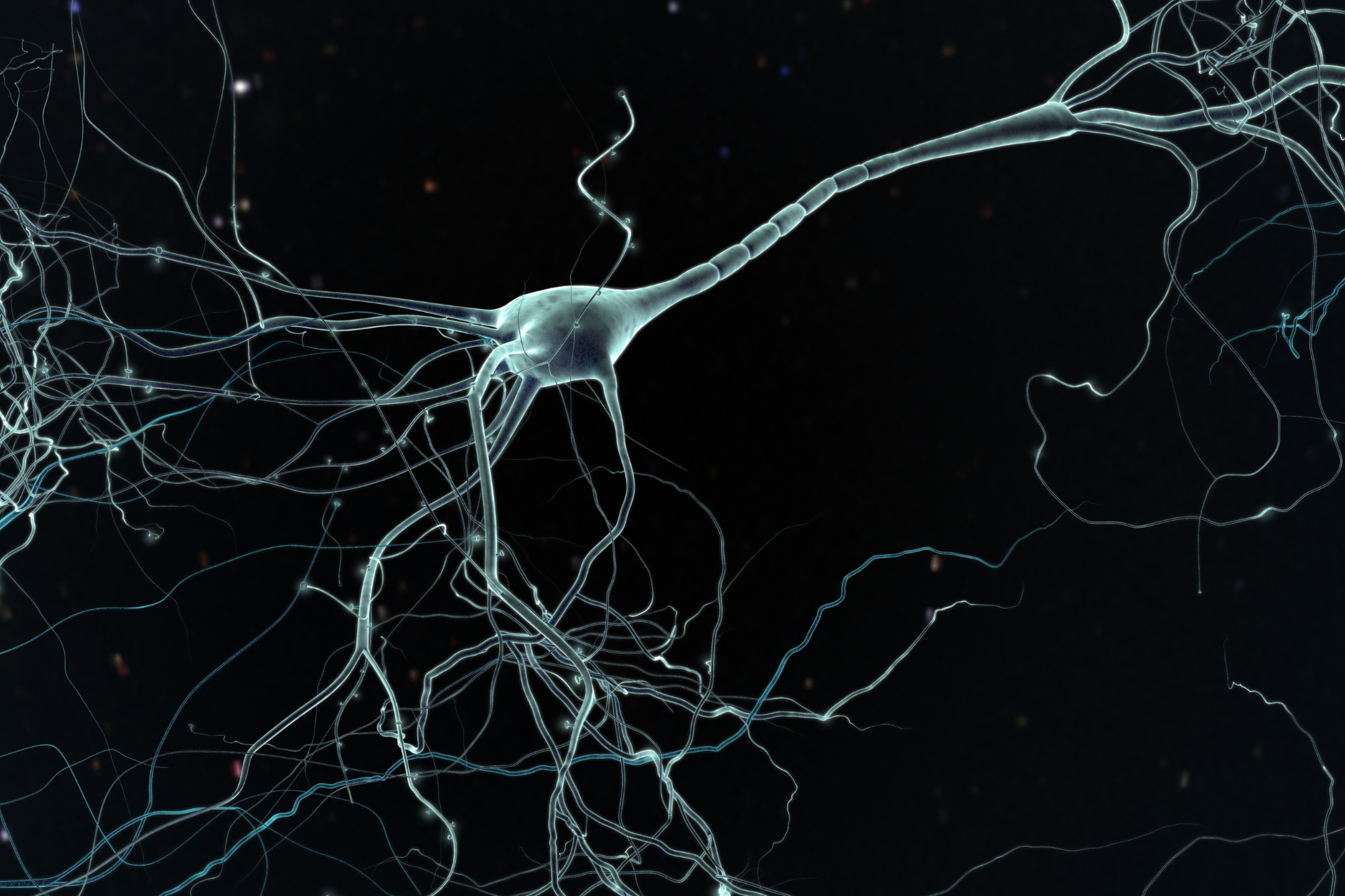
Traditional relationship advice often suggests we should simply “communicate better” or “be more rational” about our triggers. But neuroscience reveals why this approach falls short. When we’re triggered by family-of-origin material, our brain literally reverts to childhood neural patterns.
The prefrontal cortex—responsible for rational thinking—goes offline, while the limbic system—our emotional and survival center—takes control. In these moments, our partner isn’t seeing the adult version of us; they’re seeing our wounded inner child, complete with the emotional age we were when the original trauma occurred.
This is why conscious trauma work in relationships requires more than good intentions or communication skills. It requires understanding how to work with the nervous system itself, helping each other move from triggered states back into present-moment awareness where adult choice becomes possible.
Co-regulation becomes essential here—the ability to use our nervous system to help regulate our partner’s nervous system. This might involve synchronized breathing, gentle touch, or simply maintaining a calm presence while our partner moves through a triggered state.
The Reality
This Will Happen Anyway
Here’s the truth that’s often overlooked in traditional therapy approaches: these dynamics are going to emerge in your relationship whether you address them consciously or not. The difference is whether you remain unconscious about them—allowing them to create endless cycles of conflict and misunderstanding—or whether you develop the awareness to recognize them and make conscious choices about how to respond.
This isn’t something that “should just be handled in therapy.” While professional support can be invaluable, there’s something deeply meaningful about doing this healing work with the person you feel safest with, the person you trust most. When approached consciously and with proper boundaries, it becomes a profound trust-building exercise and an incredible opportunity for deepening intimacy.
The goal isn’t to eliminate these patterns entirely—that’s neither realistic nor necessary. The goal is to liberate ourselves from their unconscious grip by recognizing them when they arise and choosing how to respond rather than simply reacting from our childhood wounds.
A Framework for Conscious Mutual Parenting

The good news is that couples can absolutely support each other’s healing—when it’s done consciously and with proper boundaries. What we’re really talking about is conscious mutual reparenting: the ability to offer each other corrective emotional experiences that help heal childhood wounds.
This differs from codependency in crucial ways. Codependency involves unconsciously taking responsibility for each other’s emotions and trying to fix or rescue. Conscious mutual reparenting involves consciously choosing to offer specific support for healing while maintaining clear boundaries and personal responsibility.
Here are four essential principles that can help your relationship become a secure base for mutual healing:
1. Make It Conscious: Developing Trauma Pattern Recognition
Both partners must develop the ability to recognize when childhood material is being activated and take responsibility for it. This requires what we call “dual awareness”—the capacity to be aware of both your triggered inner child and your present-moment adult self simultaneously.
In practice, this looks like:
“I notice I’m getting triggered right now. This feels like something from my childhood with my critical father.”
“I’m asking for your support with an old wound around abandonment. This isn’t really about anything you’ve done.”
“I think I’m projecting something from my family onto you right now. Can we pause while I sort this out?”
Developing this awareness often requires individual therapy or personal work to recognize your patterns. The goal isn’t to eliminate triggers but to name them when they arise and create space between the trigger and your response.
Advanced technique: Create a “projection map” together, where you identify your specific family-of-origin patterns and how they manifest in your relationship. Notice birth order effects, family roles (scapegoat, golden child, caretaker), and specific parent-child dynamics that get replayed.
2. Make It Consensual: Honoring Agency and Choice
Your partner is not obligated to support your healing. They must be able to freely choose whether and how they want to help, and it must be okay for them to say no. This respect for agency is what distinguishes healthy mutual reparenting from emotional manipulation.
This sounds like:
“I’m struggling with some anxiety that stems from my childhood. Would you be willing to help me practice a grounding technique?”
“I notice I get scared when you’re quiet after work. Would you be open to a brief check-in when you get home to help me feel more secure?”
“I’m working on my fear of abandonment. Is it okay if I ask for some extra reassurance this week while I’m processing this?”
The key is making requests rather than demands and genuinely accepting “no” as a valid response. Sometimes your partner won’t have the emotional capacity to help, and that’s not abandonment—it’s healthy boundary-setting.
3. Make It Time-Bound: Creating Containers for Healing
Healing work needs clear boundaries, or it will bleed into every aspect of your relationship. Think of this as creating conscious “containers” for trauma work—specific times and spaces dedicated to healing that have clear beginnings and endings.
Examples include:
“Can we do a 20-minute listening session where I share what came up in therapy today?”
“Would you be willing to help me practice this anxiety management technique for 15 minutes?”
“Let’s try this new check-in ritual for two weeks and then reassess how it’s working.”
Without time boundaries, the entire relationship can become focused on managing trauma, leaving no space for joy, play, romance, or ordinary partnership dynamics. Healing is important, but it shouldn’t become the only thing your relationship is about.
4. Make It Reciprocal: Balancing the Healing Flow
Both partners should feel equally supported in their healing journeys. This doesn’t mean taking turns in the same conversation, but over time, there should be balance. True mutual reparenting means both people get to experience being the wounded child who receives care and the nurturing parent who offers it.
Reciprocity means:
- Both partners receive support for their childhood wounds
- Both partners take responsibility for their own healing journey
- Both partners respect each other’s capacity and boundaries
- The “helper” role rotates based on current needs and availability
- Neither person becomes the designated “patient” or “therapist” in the relationship
Advanced Techniques for Conscious Mutual Reparenting
When applied within the four-principal framework, these techniques can create powerful opportunities for healing:
Nervous System Co-Regulation
- Synchronized breathing: When one partner is triggered, breathe together slowly and deeply, helping their nervous system return to calm
- Grounding through touch: Gentle, non-sexual touch that helps a triggered partner feel present and safe in their body
- Energy matching: Instead of trying to cheer up a distressed partner, first match their emotional energy, then gradually guide them toward calm
Conscious Reparenting Protocols
- The inner child dialogue: When your partner is triggered, speak directly to their wounded inner child: “I see how scared you are right now. You’re safe with me.”
- Corrective experiences: Consciously offer what was missing in childhood—consistent presence, unconditional acceptance, gentle guidance
- Developmental repair: Help your partner experience developmental milestones they missed—learning to say no, expressing needs, receiving comfort
Somatic Trauma Integration
- Body awareness practices: Help each other notice where trauma is held in the body and practice releasing tension together
- Movement integration: Use dance, stretching, or gentle exercise to help process traumatic energy
- Sensory grounding: Use the five senses to help bring a triggered partner back to present-moment awareness
Working with Dissociation and Freeze States
When trauma involves dissociation or freeze responses, gentle presence becomes crucial:
- Maintain calm, steady eye contact if your partner can tolerate it
- Use your voice as an anchor: “I’m here with you. You’re safe right now.”
- Avoid trying to “fix” or rush the process—simply be present
- Help orient to the present: “Can you feel your feet on the ground? Can you hear the sounds in this room?”
Case Studies
Conscious Mutual Reparenting in Action

CASE STUDY 1: Abandonment Trauma and Secure Base Building
The Pattern: Maria grew up with an emotionally unavailable, alcoholic mother who would disappear—emotionally and sometimes physically—without warning. Maria’s nervous system learned that love is unstable and that she must constantly monitor for signs of abandonment.
The Trigger: When her partner Jake needs alone time or becomes quiet, Maria’s nervous system interprets this as the beginning of abandonment. She becomes clingy, demanding constant reassurance, or sometimes preemptively withdraws to protect herself.
Conscious Approach: Maria recognizes this pattern and approaches Jake consciously: “I’ve realized that when you need space, my nervous system panics because it reminds me of my mom disappearing. I know logically that you’re not abandoning me, but my body doesn’t know that yet. Would you be willing to help me retrain my nervous system?”
The Protocol: They develop a “secure departure” ritual. When Jake needs alone time, he first spends 5 minutes connecting with Maria—making eye contact, showing physical affection, and giving verbal reassurance. He tells her exactly when he’ll return and checks in once during his alone time. When he returns, they have a brief reconnection moment.
The Reciprocity: Jake also shares his childhood wound—a critical father who made him feel like his needs were burdens. Maria helps him practice asking for what he needs without apologizing, offering encouragement when his inner critic gets activated.
The Result: Over time, Maria’s nervous system learns that Jake’s need for space isn’t abandonment. The ritual becomes unnecessary as her system develops new patterns of security.
CASE STUDY 2: Control Trauma and Autonomy Restoration
The Pattern: David grew up with an intrusive, anxious mother who managed every aspect of his life, believing she was protecting him but actually communicating that he couldn’t be trusted to make good decisions.
The Trigger: When his wife, Sam, offers suggestions or support, David’s nervous system interprets this as a form of control and invasion. He becomes defensive, rebellious, or withdrawn, pushing away the very support he actually needs.
Conscious Approach: David recognizes the pattern: “I know you’re trying to help, but when you offer suggestions, I immediately feel like I’m eight years old again and my mom is telling me I can’t handle things. It’s not about you—it’s about my need to prove I’m competent. Can we find ways for you to support me that don’t trigger my control issues?”
The Protocol: They develop a “consultation” approach. Instead of offering direct suggestions, Sam asks permission: “Would you like me to brainstorm with you about this?” or “Are you looking for advice or just someone to listen?” When David wants input, he requests it specifically, maintaining his sense of agency.
The Reciprocity: Sam shares her own pattern—growing up as the “good girl” who never caused problems, she struggles to express her needs directly. David helps her practice stating what she wants clearly, celebrating when she sets boundaries or makes requests.
The Result: David learns to receive support without feeling controlled, while Sam learns to offer help in ways that honor his autonomy. Both develop stronger capacities for healthy interdependence.
Cultural and Gender Considerations
Conscious mutual reparenting must account for how cultural conditioning and gender socialization affect trauma patterns:
Patriarchal Conditioning: Men may struggle more with receiving emotional support due to cultural messages about self-reliance, while women might over-function emotionally due to socialization around caregiving. These patterns require conscious attention and gentle challenging.
Cultural Trauma Patterns: Different cultures have varying relationships to emotional expression, family hierarchy, and individual autonomy. What constitutes healthy healing will vary across cultural contexts.
Gender-Specific Trauma: Women often carry trauma around safety and autonomy, while men frequently struggle with emotional expression and vulnerability. Same-sex couples may have different dynamics around gender role expectations and trauma patterns.
Intergenerational Trauma: Historical trauma—from war, displacement, oppression, or cultural genocide—affects families across generations. Conscious couples work can help break these cycles while honoring cultural resilience.
When Professional Support is Essential

While conscious mutual reparenting can be profoundly healing, certain situations require professional intervention:
Trauma Severity Indicators:
- Frequent dissociation, flashbacks, or panic attacks
- Suicidal ideation or self-harm behaviors
- Substance abuse as trauma coping
- Any history of abuse that might be triggered by intimate healing work
Relationship Risk Factors:
- Significant power imbalances that make consensual healing difficult
- Patterns of emotional, physical, or sexual abuse
- When one partner consistently refuses to take responsibility for their patterns
- When trauma work is creating more instability than healing
Professional Support Options:
- Individual trauma therapy (EMDR, somatic experiencing, IFS)
- Couples therapy with trauma-informed practitioners
- Group therapy for specific trauma types
- Intensive workshops or retreats focused on trauma and relationships
The Science of Secure Base Relationships
Research in attachment theory and neuroscience supports the concept that partners can serve as secure bases for each other’s healing. When we feel securely attached, our nervous system can access what Dr. Stephen Porges calls the “social engagement system”—the state where healing, learning, and growth become possible.
Key elements of secure base relationships include:
Emotional Availability: Being present and responsive to your partner’s emotional needs without trying to fix or change them.
Safe Haven Provision: Offering comfort and support during times of distress while maintaining your own emotional regulation.
Secure Base Behavior: Encouraging your partner’s exploration and growth while providing a reliable foundation they can return to.
Co-Regulation Capacity: Using your nervous system to help stabilize your partner’s nervous system during triggered states.
When both partners can provide these elements for each other, the relationship becomes what researchers call a “mutually secure base”—a foundation for ongoing growth and healing that extends far beyond the relationship itself.
Relational Trauma Alchemy
Transforming Wounds into Wisdom

Perhaps the most profound aspect of conscious mutual reparenting is what we call “relational trauma alchemy”—the process by which our deepest wounds, when worked with consciously in relationship, become sources of wisdom, compassion, and deeper intimacy.
This transformation happens when couples can move beyond simply managing triggers to actually using them as doorways into greater understanding and connection. A trigger becomes an opportunity to practice patience. A projection becomes a chance to practice curiosity rather than defensiveness. A moment of emotional dysregulation becomes an opportunity to practice co-regulation and mutual support.
In this advanced stage of conscious relationship, trauma patterns don’t disappear—they become integrated aspects of the couple’s shared wisdom. Partners develop what we might call “trigger mastery”—the ability to recognize patterns quickly, move through them gracefully, and use them as opportunities for deeper intimacy rather than sources of disconnection.
The Gift of Conscious Intimacy
When approached with awareness and boundaries, your relationship can become one of the most powerful healing spaces available to human beings. The very triggers and conflicts that feel so challenging are actually invitations—opportunities to finally complete the interrupted developmental processes from childhood and to experience the secure attachment that makes all growth possible.
The key is remembering that healing is ultimately each person’s individual responsibility, while the relationship provides the secure base that makes that healing possible. Your partner cannot heal your wounds for you, but they can offer the consistent love, presence, and support that allows your nervous system to finally relax enough for healing to occur.
This is the true gift of conscious partnership—not just the promise to love each other as you are, but the commitment to support each other in becoming who you’re meant to be. When two people can offer each other this level of conscious care, they create something larger than themselves: a field of healing that extends beyond their relationship into their families, communities, and the world.
In a culture that often promotes independence and self-reliance above all else, conscious mutual reparenting offers a radical alternative: the recognition that we heal in relationship, that our deepest wounds can become our greatest gifts, and that love—when approached consciously—is the most powerful healing force available to human beings.
